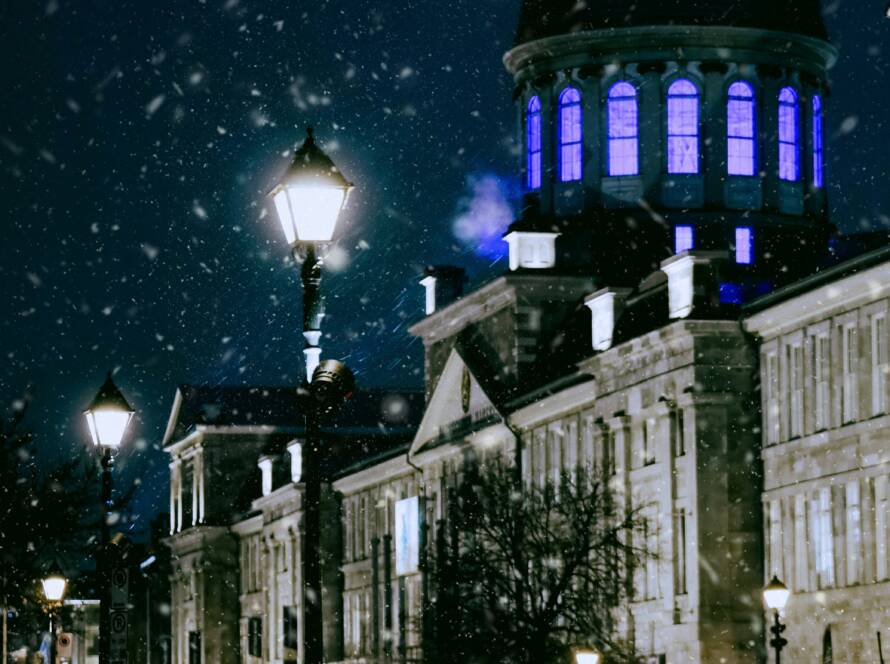
If you are planning a trip to Canada and want a city that combines old-world charm with a dynamic cultural scene, then Montreal tourism should be at the top of your travel list. Montreal welcomes you with a blend of French and North American influences that shape everything from the local language to the city’s art, architecture, and cuisine. Whether you love history, nightlife, or food, you will find plenty of ways to explore Montreal’s unique spirit. This ultimate guide walks you through everything you need to know before you go, so you can make the most of your visit.
Embrace Montreal’s history
Steeped in centuries-old architecture and rooted in a fascinating mix of cultures, Montreal’s past continues to influence the city you see today. You will notice French street signs next to stunning Gothic-style churches and modern skyscrapers, all woven together into an urban tapestry that feels both historic and forward-looking.
Origins and influences
Montreal’s location along the St. Lawrence River made it a hub for trade and settlement, especially for French explorers in the 17th century. Over time, the city evolved as a cultural crossroads, shaped by French, British, and indigenous roots. As you walk Montreal’s streets, you will sense this mosaic come to life. Old Montreal still showcases cobblestone paths and restored 18th-century buildings that hint at a bygone era.
Modern charm
While the city’s heritage endures, Montreal has also embraced modernity. Many warehouses in older sectors have transformed into hip lofts and creative studios, while the downtown core boasts contemporary architecture. You will find street art and murals that reflect local talent and global artistic movements. This balance between preservation and innovation is why Montreal draws visitors who want to experience a city that reveres its past but welcomes progress.
Pick the best time to visit
Every season in Montreal has its charms, though factors like weather, crowds, and festival schedules can influence your experience. Your ideal travel window depends on your personal preferences, but keep a few key seasonal considerations in mind as you plan your itinerary.
Winter wonders
From December through February, Montreal’s temperatures can dip well below freezing. While you will need a warm coat, winter boots, and other cold-weather gear, the city offers fun seasonal activities. You can go ice skating at Parc La Fontaine or explore the Underground City, a network of interconnected corridors full of shops, cafés, and cultural venues. The city also hosts festivals during winter, such as Montréal en Lumière, which brightens the dark months with light shows, food events, and live music.
Lively summers
If you adore outdoor adventures and cultural events, the summer months from June to August are a prime time to flock to Montreal. Sidewalk cafés line the streets, outdoor festivals are in full swing, and you can wander parks in mild weather. Expect hotels to be busier and sights to be more crowded, especially during major festivals like the Montreal International Jazz Festival.
Transitional seasons
Spring and fall are excellent times to experience Montreal if you want fewer crowds and moderate weather. In spring, flowers and trees bloom across the city, making places like the Botanical Garden especially appealing. Fall brings vibrant foliage, giving scenic neighborhoods in and around the city a colorful glow. Shoulder seasons also tend to offer better travel deals.
Explore iconic neighborhoods
Montreal’s neighborhoods each have their own identity. By venturing beyond the typical tourist trails, you will discover a rich diversity of local markets, quirky shops, and relaxed cafés.
Old Montreal overview
This historic district is where you can best appreciate the city’s French colonial past. You will find Notre-Dame Basilica, a striking example of Gothic Revival architecture. Wander along the cobblestone streets, step into cozy bistros, and see Place Jacques-Cartier, a lively plaza both day and night. Be sure to check out the Old Port, a prime spot for riverside strolls, bike rides, and scenic boat tours.
Plateau Mont-Royal vibe
Known simply as “the Plateau,” this area is beloved by locals for its colorful row houses, sprawling green spaces like Parc La Fontaine, and bohemian atmosphere. Café culture thrives here, and you will find plenty of art galleries, vintage shops, and record stores. If you want to experience the creative side of Montreal, the Plateau is the place to be.
Downtown Montreal highlights
Downtown Montreal is your go-to for modern skyscrapers, diverse shopping options, and major performing arts venues. Saint Catherine Street, which cuts through the heart of the city, offers countless shops and high-end boutiques. Architecture buffs will want to see Place Ville Marie and the many sleek buildings that define the city skyline.
Griffintown and Mile End scene
Griffintown, an industrial area turned trendy neighborhood, features loft apartments, design studios, and stylish eateries. Meanwhile, Mile End is recognized for indie bookstores, music venues, and the city’s famous bagel shops. Both neighborhoods offer a younger, artsy vibe, making them perfect for those interested in local music, visual arts, and eclectic cafés.
Savor Montreal’s cuisine
Montreal’s culinary identity is as diverse as its neighborhoods. You will find classic French bistros, hearty pub fare, farm-to-table experiences, and a wide array of international cuisines reflecting the city’s multicultural community.
Try poutine
No exploration of Montreal tourism is complete without sampling poutine. This iconic Canadian dish consists of French fries, squeaky cheese curds, and savory gravy. Many local restaurants add creative twists, such as smoked meat, pulled pork, or vegetarian gravy. If you want the classic rendition, stop by a local diner or one of the many late-night eateries that specialize in poutine.
Don’t miss local bagels
Montreal bagels are a point of pride, baked fresh in wood-fired ovens and distinguished by their sweet, dense texture. You might have to choose between rival bakeries, but the truth is you can’t go wrong when you bite into a warm, sesame-seed bagel right out of the oven. Pair it with cream cheese, smoked salmon, or homemade jam for a delicious taste of local tradition.
Explore multicultural dining
Beyond the must-try staples, Montreal celebrates its melting-pot heritage. From Portuguese grilled chicken to Vietnamese pho to Caribbean jerk specialties, the city’s varied culinary scene can delight every palate. Keep an eye out for local markets—like Jean-Talon and Atwater—where you can sample farm-fresh produce and get your fill of pastries, cheeses, and gourmet treats.
Experience arts and culture
Creative energy flourishes here, and you will discover multiple outlets for art, music, film, and more. Montreal invests heavily in its cultural scene, so you have numerous galleries, theaters, and festivals at your disposal.
Attend festivals and events
Montreal is frequently referred to as the festival capital of Canada. Of all the events, the summer Jazz Festival stands out as one of the largest in the world, drawing top-tier musical acts. Just for Laughs showcases world-renowned comedians, while Piknic Électronik brightens summer Sundays with electronic music in a park setting. No matter the time of year, you can typically find a festival celebrating art, film, culture, or food.
Tour museums and galleries
The Montreal Museum of Fine Arts is a must-see for art lovers, featuring extensive collections spanning classical masterpieces to contemporary art. Pointe-à-Callière Museum in Old Montreal delves into archaeology and history, offering you a deeper look at the city’s roots. For smaller galleries, explore the Plateau or Mile End, where local artists frequently exhibit innovative pieces.
Enjoy performing arts
Montreal’s performing arts scene is equally vibrant. Visit Place des Arts, the city’s largest cultural complex, to enjoy ballet, opera, and orchestral performances. Smaller theaters across the city host dance troupes, avant-garde plays, and stand-up comedy in both English and French. If you are a music lover, you can also catch live bands in numerous bars—some of which are weekly stages for up-and-coming talent.
Get around the city
Navigating Montreal is straightforward once you understand your options. The city offers reliable public transportation, plus a grid-like downtown street network that makes it easier to find your way.
Public transportation tips
Montreal’s Metro system connects many of the main neighborhoods and provides a warm respite from winter weather. A rechargeable OPUS card can help you hop on and off the Metro and buses at will. Keep an eye on schedules and station announcements, especially if you are traveling late at night or during weekends. The Metro itself is clean, safe, and efficient.
Walking and cycling
If you prefer feeling the pulse of the city up close, consider walking or cycling. Montreal is pedestrian-friendly, and several neighborhoods are easy to explore on foot. Many streets, especially in the Plateau and Old Montreal, have traffic-calming measures to help you stroll safely. BIXI bike rentals are available at docking stations. During warmer months, you can ride across bike paths and see the city from a fresh perspective.
Taxis and rideshares
Taxis and ridesharing services are widely available, although it can be cheaper and quicker to rely on public transit or your own two feet. Ridesharing apps are typically regulated in Montreal, so you might notice slightly different pricing than in other North American cities. If you cannot flag a taxi on the street, you will find designated taxi stands in popular areas like downtown and Old Montreal.
Navigate Quebec’s language
Montreal is a bilingual city where residents often switch effortlessly between French and English. However, understanding the unique language dynamics can enrich your experience and help you connect more easily with locals.
Use French basics
Even if you do not speak French fluently, memorizing a few key phrases will endear you to Montrealers. Start conversations with a polite “Bonjour,” and if necessary, politely ask if someone speaks English. Others might switch to English immediately, but showing an effort in French often elicits a warm response. Road signs and public notices are primarily in French, so keeping a dictionary app handy can be useful.
Respect local traditions
Quebec has a distinct cultural identity within Canada. While most individuals are accommodating with tourists, being mindful of cultural nuances is a good practice. Try local treats, appreciate Montreal’s French heritage, and engage politely. You will find your trip more immersive and memorable when you approach new situations with open-minded curiosity.
Enjoy the nightlife
Montreal ranks high among cities with a buzzing nightlife scene. Whether you want live music, dance clubs, or laid-back bars, you will have plenty of after-dark entertainment options.
Music venues and shows
The city is renowned for its eclectic music venues. If you are into jazz, you can track down local clubs in the Plateau. Pop and rock aficionados might head downtown, where you will find larger concert halls that book international acts. For electronic music, you can explore a variety of clubs and underground events that cater to dance music enthusiasts. It is common to see a queue around the block on Friday and Saturday nights, so plan accordingly.
Bars and clubs
You will find different styles of nightlife concentrated by neighborhood. Crescent Street downtown is a popular choice for traditional pubs and sports bars. Meanwhile, Saint-Laurent Boulevard offers clubs and lounges that cater to a younger crowd. Trendy cocktail bars flourish in locales like Mile End and Griffintown, where you can sip innovative drinks within refurbished industrial spaces.
Late-night eats
Montreal’s late-night dining scene is practically a subculture. Along with diners serving the city’s trademark poutine, you might stumble upon 24-hour bagel shops and Middle Eastern eateries that keep their doors open until the early morning. If you stay out late, you will have no shortage of places to get a post-party snack.
Find the perfect accommodation
Your choice of lodging can shape your Montreal experience. Whether you want luxurious digs or a budget-friendly hostel, the city has an array of options to suit your needs and price range.
Boutique hotels
Boutique hotels abound, especially in Old Montreal. These smaller properties often sit in renovated historic buildings, offering cozy rooms with exposed brick walls, wood floors, and upscale amenities. Many boutique hotels also house restaurants and bars popular with both locals and visitors, giving you an intimate environment with plenty of Montreal charm.
Vacation rentals
Vacation rentals can be a great choice if you want homey comforts, extra space, or a kitchen to cook meals. You will find a variety across the Plateau, Mile End, and other central neighborhoods. Staying in a rental gives you a local perspective, especially if you are near corner shops, bakeries, and cafés. Keep an eye out for listings that mention proximity to Metro stations, so you can get around easily.
Budget stays
If you are traveling on a smaller budget, Montreal still has you covered. Hostels and low-cost hotels scatter around the downtown area, particularly near the main bus terminal and Metro lines. While rooms might be simpler, you can save money for dining, sightseeing, and cultural activities. Some hostels also arrange group tours, pub crawls, and social events, making them a great way to meet fellow travelers.
Make the most of your trip
With so much to see and do, you want to structure your days without feeling too rushed. Give yourself enough time to soak in the city’s sights and experiences.
Plan day-to-day itineraries
Consider dividing your days by neighborhood or theme to avoid crisscrossing the city. For instance, set aside one day for Old Montreal’s historical landmarks, another for exploring the Plateau’s art scene and boutiques, and maybe a third for the downtown core to enjoy museums and shopping. Keep your itinerary flexible enough to allow for serendipitous experiences—like stumbling upon a local street fair or discovering a hidden café.
Stay safe and aware
Montreal is generally safe, but as in any major city, remain aware of your surroundings. Keep valuables close and be particularly watchful in busy tourist areas where pickpocketing can occur. Stay alert when using public transit and try to avoid deserted streets late at night unless you are familiar with the area. You can also check the local news or government travel advisories for any updates before you go.
Take advantage of local deals
Montreal is full of discount opportunities and deals. Look for tourist cards that combine Metro access with reduced admissions to museums and attractions. Check out city passes, especially if you plan to see multiple sites in a short period. Restaurants sometimes have fixed-price lunch menus that offer fantastic value. If you do not mind venturing into lesser-known districts, you will often discover local eateries with great food at reasonable prices.
Final thoughts
Montreal tourism offers much more than a typical vacation. In this city, you can wander centuries-old streets in the morning, sample modern fusion fare for lunch, then dance under neon lights at a lively festival in the evening. By planning your trip around the city’s history, culture, cuisine, and energy, you will gain a deeper appreciation of what makes Montreal so special. Bring a spirit of curiosity, step outside your comfort zone, and let the city’s mix of old and new charm you at every turn. Safe travels—and bon voyage!